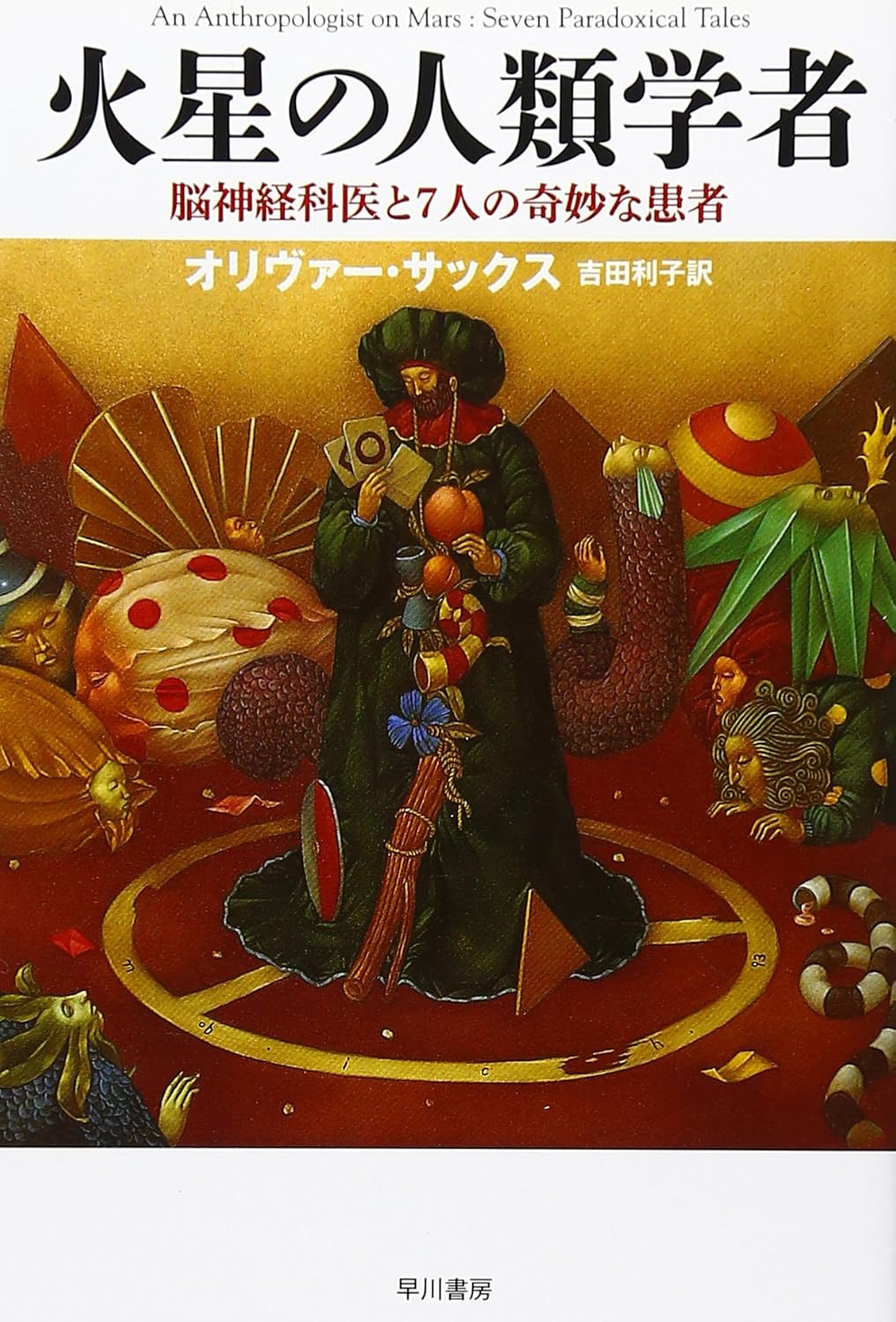















When “Loss” Becomes a “Gift”: Lessons on Sustainable Happiness from “An Anthropologist on Mars”
Neurologist Oliver Sacks did not just write “case reports.” His stories of patients depict individuals who, despite facing brain damage or unique neurological conditions, reconstruct their own worlds with incredible creativity and adaptability.
His book, An Anthropologist on Mars, tells the stories of seven people who lost their conventional “normalcy” due to neurological disorders. At first glance, their circumstances may seem tragic. However, when viewed through the lens of “Sustainable Happiness” (Well-being) in positive psychology, their lives reveal essential insights into how we can flourish. In this article, we will explore the book through the five elements of well-being known as “PERMA.”
Reconstructing Meaning: Finding Purpose in Life
The people in this book face life-altering challenges: losing sight, having memory frozen in the 1970s, or suffering from intense tics. They confront the collapse of their “former selves,” yet from that wreckage, they find new “Meaning.”
Consider Carl, a surgeon with severe Tourette’s syndrome. Remarkably, his tics vanish during surgery, where he enters a state of total concentration. Instead of rejecting his unique neurological system, he transformed it into the rare rhythm and energy required for his surgical work. In the pursuit of sustainable happiness, it is vital to feel that “one’s existence contributes to something” and that “life has meaning.” Sacks shows us that through the “loss” of illness, these individuals discovered a unique mission to which they could dedicate their lives.
Flow and Engagement: Moments of Oneness with the World

Two particularly striking stories are those of a painter who lost the ability to perceive color and Stephen, an autistic artist with a phenomenal memory. They were stripped of things we take for granted—the world of color or the ease of social communication.
In exchange, however, they gained the state of “Flow” (Engagement)—an overwhelming focus on their craft. Stephen can perfectly recreate a cityscape after seeing it only once. While drawing, he is completely detached from surrounding noise, becoming one with his subject. This “immersion that makes one forget the passage of time” is the essence of Engagement in the PERMA model. Deep fulfillment resides not just in what we “can do,” but in experiences so profound that our very sense of self disappears.
Relationships as an “Anthropologist on Mars”
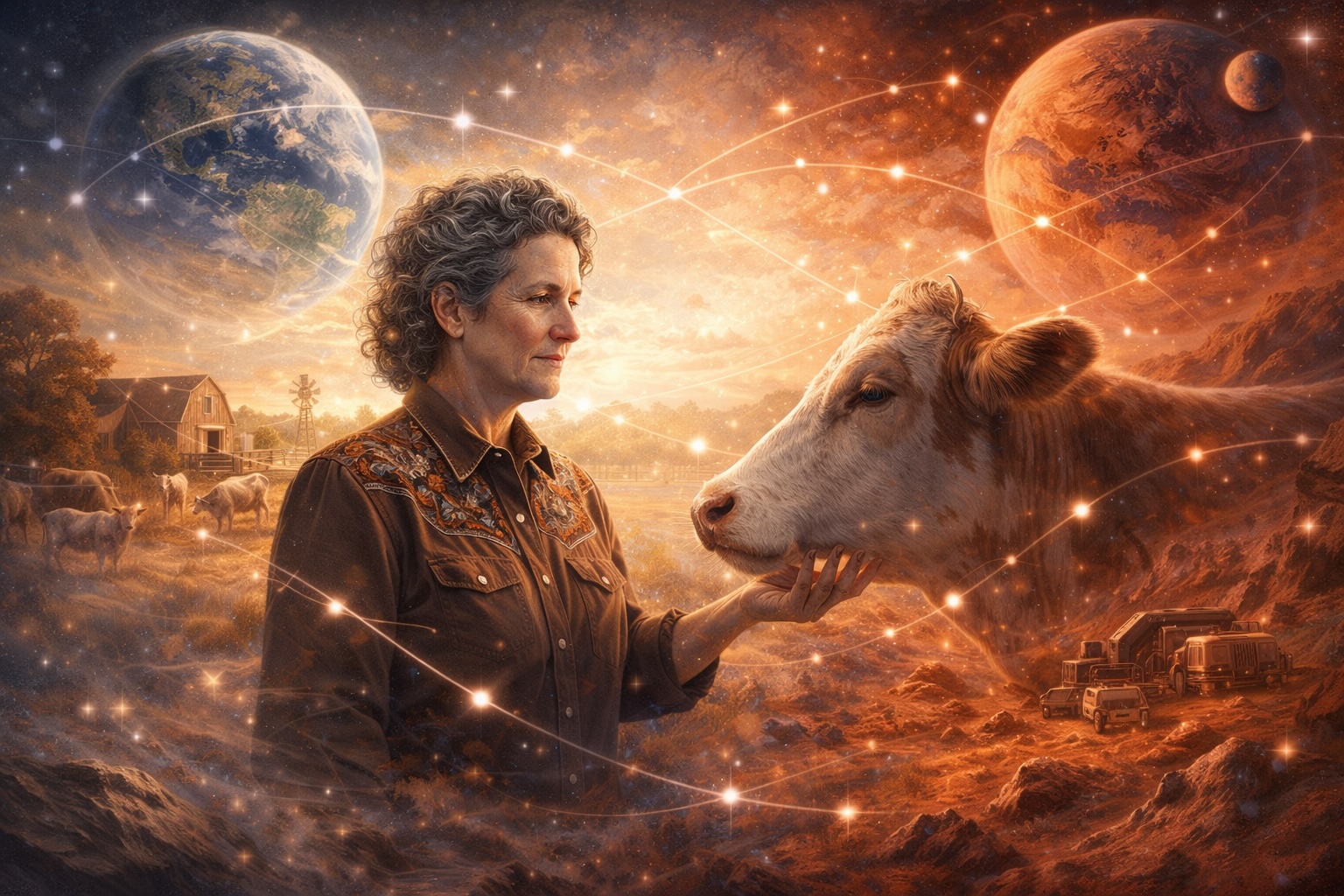
The title of the book comes from Temple Grandin, a world-renowned animal scientist with autism. She described herself as feeling like an “anthropologist on Mars,” learning human behavior through logic and observation because she could not intuitively understand social nuances.
While this might seem like a lonely existence, she established a powerful “Relationship” (Connection) with society by building deep bonds with animals and designing facilities that reduce stress for livestock. Happiness is not always brought about by conventional sociability. By providing value to others in her own way, Temple showed us that there is a unique way for everyone to build their own network of relationships.
Accomplishment and Strengths: Excellence in a Unique World
The patients Sacks encountered often achieved extraordinary results in their respective fields. This wasn’t just a “heroic tale of overcoming disability”; it was a level of mastery reached because of their neurological conditions.
In the PERMA model, “Accomplishment” refers to maximizing one’s potential rather than just achieving social success. The artist who lost color vision developed an incredible expressive power using only shades of black and white. Their stories challenge us to look at “what remains and how to refine it,” rather than “what is missing.” The will to achieve something using one’s “Signature Strengths,” even under difficult circumstances, is a pillar of sustainable well-being.
The Paradox of Not “Obsessing” Over Happiness
Crucially, the individuals in this book aren’t necessarily striving to “stay positive.” They suffer, despair, and feel confused by their symptoms. According to Martin Seligman’s well-being theory, happiness does not rely solely on “Positive Emotion.”
Rather, the very process of finding meaning and engagement within suffering is what creates sustainable happiness. Sacks respects his patients as human beings with unique modes of survival, rather than mere “objects to be treated.” While we often try to “eliminate negative elements” to find happiness, this book suggests that “affirming the whole person, including their losses and suffering,” is the first step toward true richness.
Conclusion: Embracing Our Inner “Mars”
An Anthropologist on Mars teaches us that the human brain and mind possess unimaginable “Resilience” and the potential for reconstruction. If you feel a sense of “loss” or “difficulty in living,” perhaps you can view yourself, like Temple Grandin, as an “anthropologist on Mars.” You don’t need to force yourself into a conventional mold of happiness.
-
What can you immerse yourself in right now?
-
What meaning can you find in this experience?
-
Who can you connect with in your own unique way?
Sustainable happiness exists not in perfect health or a smooth life, but in the act of accepting your imperfect self and creating a new world from there. The seven lives chronicled by Oliver Sacks are a record of hope, proving that we can reconstruct our own “beautiful world” under any conditions.
Amazon Link Section
Discover the Resilience of the Human Spirit