













Choosing Inefficiency to Cultivate “Joy”: Dragon Quest 3 and the Retro Game Money Mind
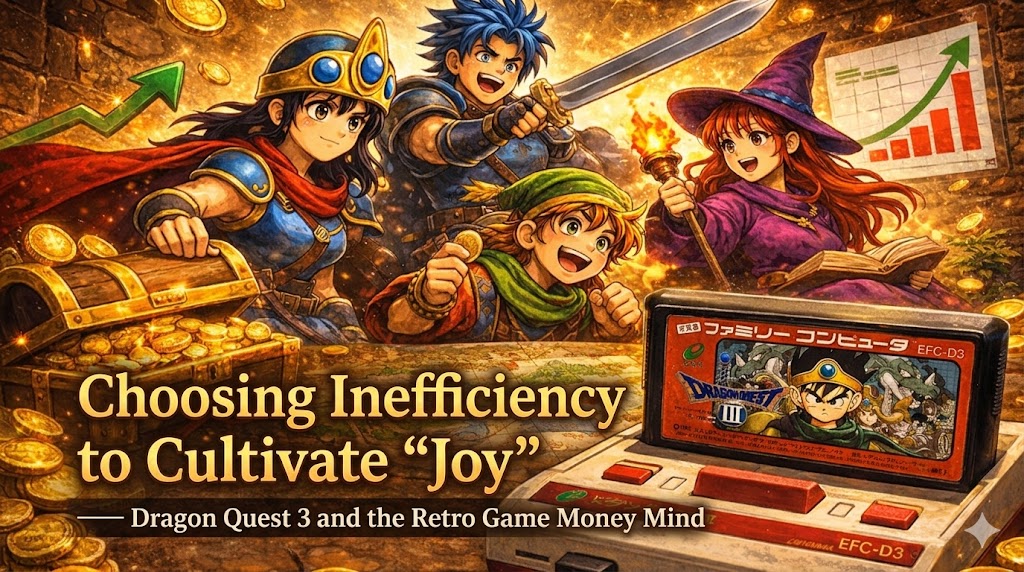
When did we start seeking only the “shortest routes” and “efficiency”?
In a world full of words like “time-performance” and “cost-performance,” we have unconsciously become accustomed to consuming “easy fun” prepared by someone else.
In this second installment of the “Retro Game Money Mind” category, I explore how choosing inconvenient and difficult adventures enriches our money mindset and protects us from wasteful spending.
The Ritual of Battery Replacement: Learning to Love Your Assets
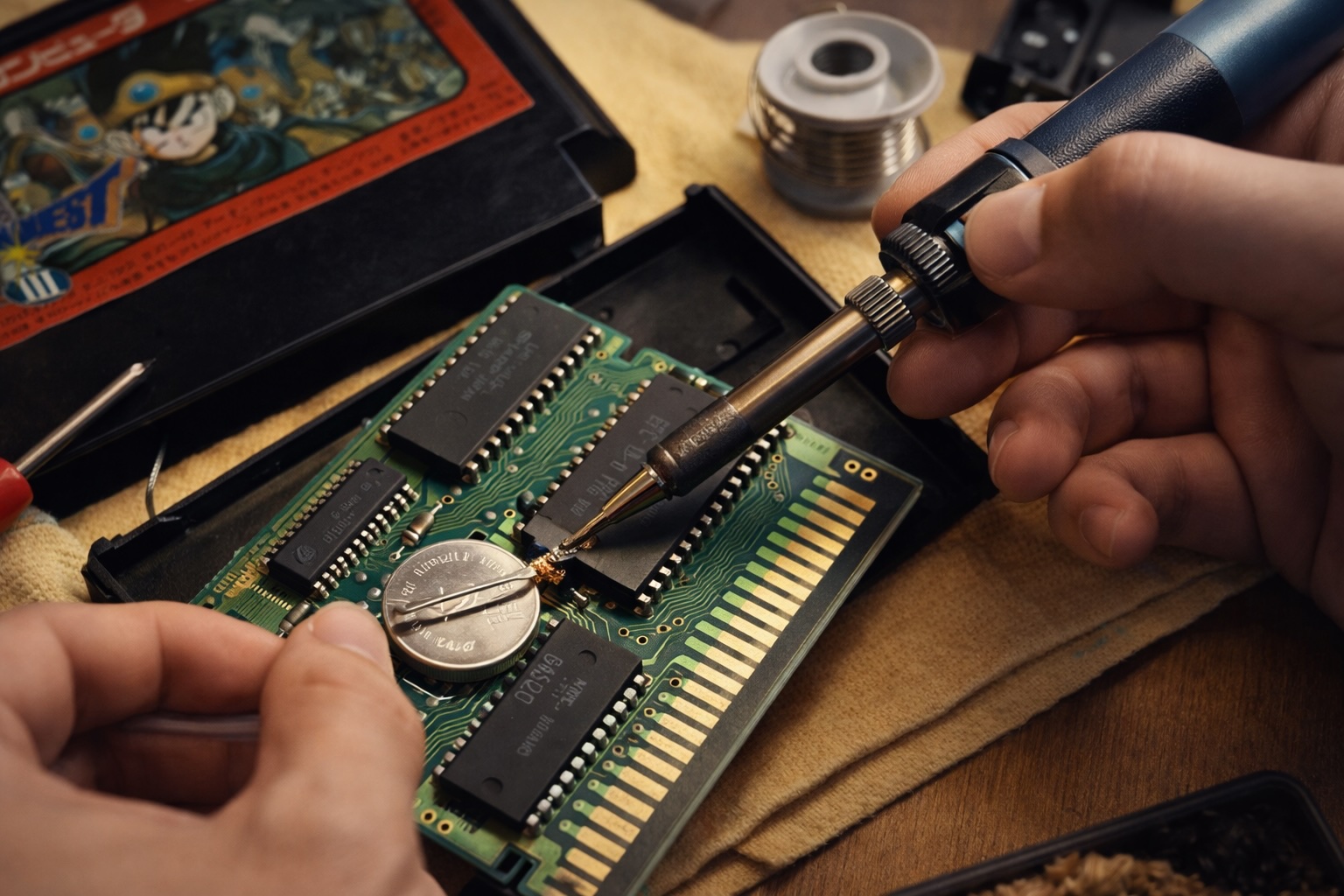
This adventure began with replacing the internal backup battery of the game cartridge with my own hands.
Modern games take cloud saving for granted, but retro games have a fragility: “If you don’t take care of them yourself, they will disappear.”
By gathering your own tools, understanding the internal mechanics, and performing maintenance, the object transforms from a mere “consumer good” into a beloved “asset.”
This mindset directly links to how we handle money.
Instead of “disposable consumption”—buying trendy things only to throw them away—we maintain what we have and use it for a long time.
Those who know this satisfaction can derive joy from what they already own, without constantly needing to buy new things.
The moment the “Record of Adventure” lit up after the battery swap, it gave me a deeper sense of fulfillment than any expensive latest gadget.
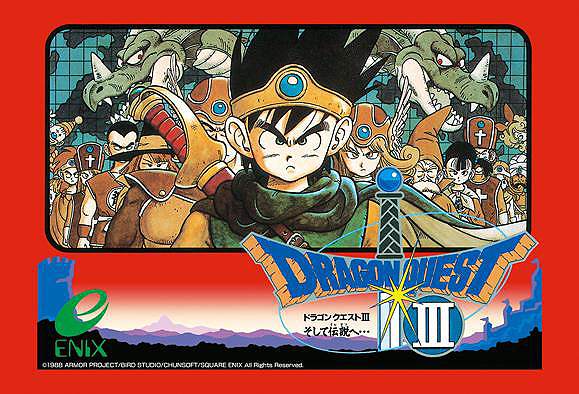
(Note: I bought this Dragon Quest 3 cartridge from a friend for only 500 yen!)
The Luxury of a “Challenging” Party Composition
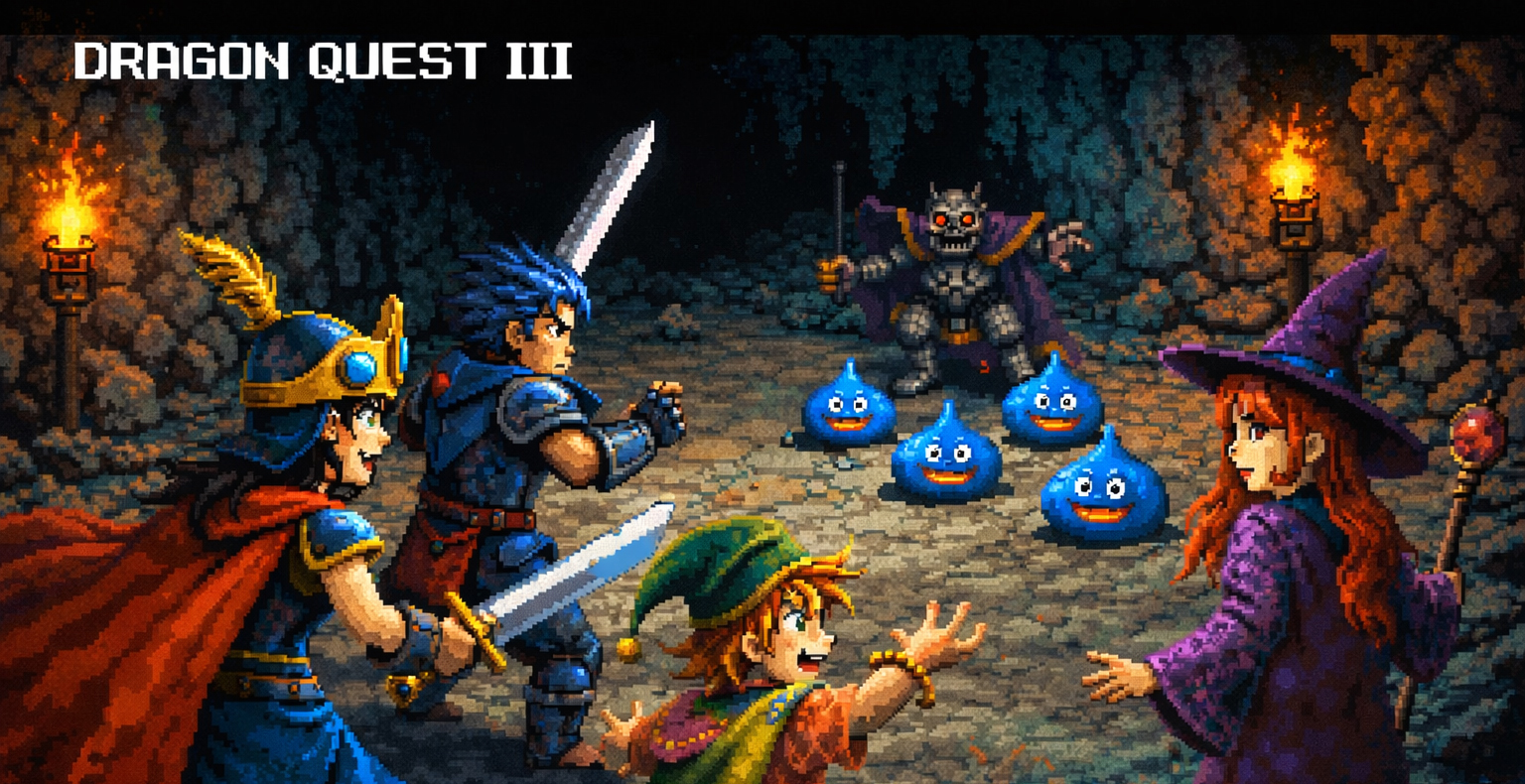
My party consists of a Hero (Female), Warrior (Male), Gadabout (Male), and Mage (Female).
If I prioritized efficiency, the standard move would be to include a Pilgrim (Healer).
Instead, I intentionally chose members that make the adventure “moderately difficult.”
Why choose hardship on purpose? It is to create “Joy” (Enjoyment) for myself, rather than just consuming “Fun” (Amusement) given to me.
The tension of potentially being wiped out when magic runs dry, and the frustration of a Gadabout who refuses to listen to orders.
These elements, which seem “negative” at first glance, give the adventure depth. No drama is born from a journey on a perfectly flat road.
Because there are difficulties, the moment you overcome them through ingenuity, true joy (Enthusiasm) wells up from within.
The same applies to the money mind.
Simply “paying for convenience” (eating out or using easy services) may give temporary pleasure, but rarely brings deep satisfaction.
(By the way, I cook a lot, and I find it very joyful to challenge myself with various recipes for nutritional balance.)
Learning the “joy of inconvenience”—taking time, being creative, and enriching life within limited resources—is the greatest weapon for breaking free from addictive consumption.
“Joy” Born from Embracing “Hardship”
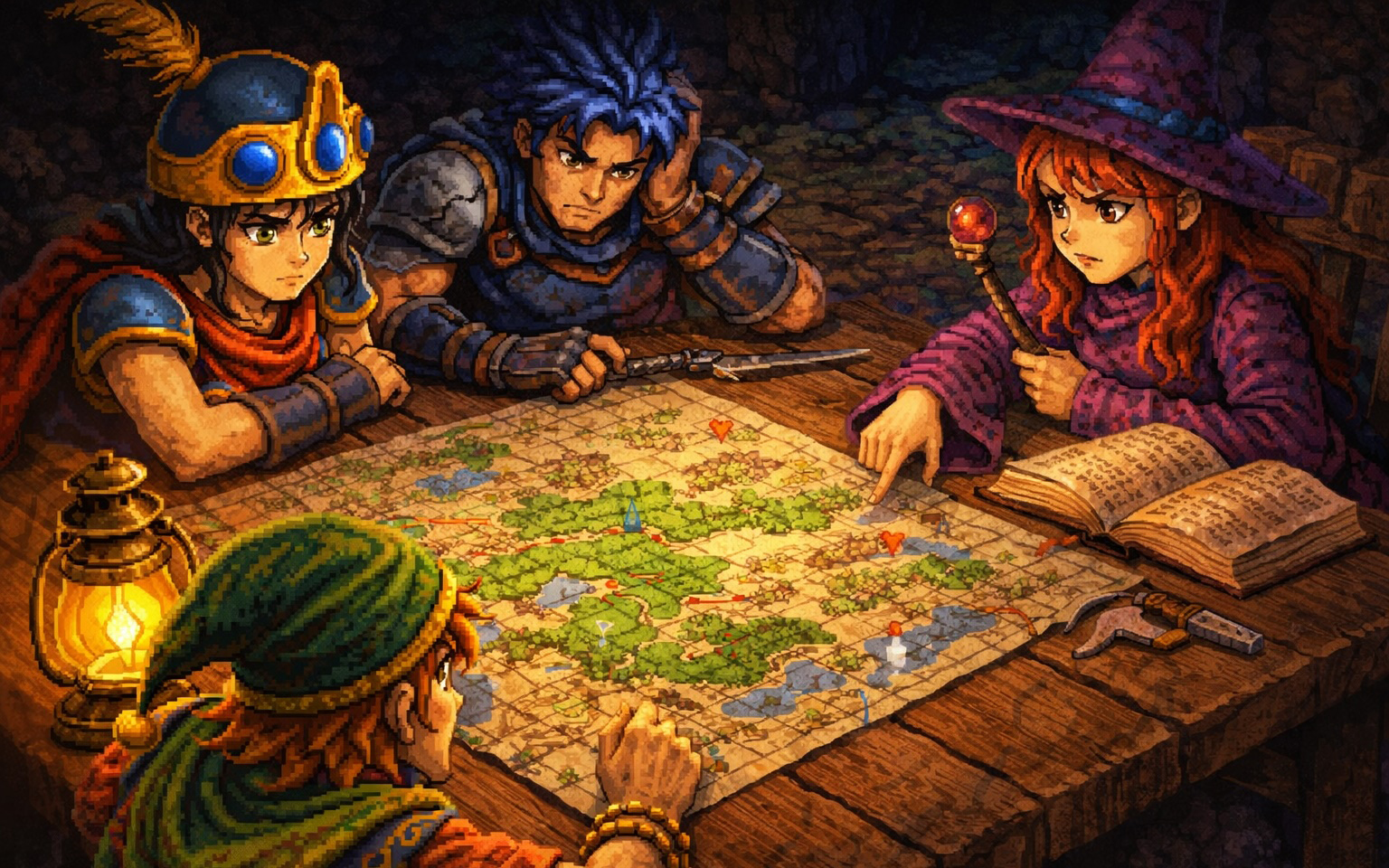
I believe today’s world tries to eliminate all “Hardship” (inconvenience, pain, waiting time).
But playing only “easy games” eventually leads to boredom. “Amusement” that is merely consumed requires constant external stimulation, which results in a continuous demand for more spending.
On the other hand, the adventure of a retro game offers “Enjoyment.”
-
Inconvenience: Limited specs and systems.
-
Patience: Level grinding and developments that don’t go as planned.
-
Autonomy: Imagining your own map and thinking of your own solutions.
Because these elements of “hardship” are included, our mindset becomes sharpened.
Laughing at the Gadabout’s unpredictable actions and feeling relief when reaching an inn after a brutal battle.
This is not a programmed pleasure; it is a reward won through your own autonomy.
When you acquire this “power to make yourself happy,” you realize you can be happy without spending much money.
You don’t need to buy expensive things to satisfy a need for approval, nor do you need more subscriptions to distract you from boredom.
Those who know the “joy” that wells up from inside can achieve ultimate independence, both economically and mentally.
Conclusion: Retro Games are an Investment in “Mental Compound Interest”

Playing Dragon Quest 3 on a top-loading NES (New Famicom) is not mere escapism.
It is an intellectual investment. Through nostalgia, you learn to love your “true self,” remember the richness of taking time, and train the resilience to enjoy difficulties.
Just as we wait for a Gadabout to eventually transform into a “Sage,” the time spent enjoying this inconvenient adventure will return to me as a major asset: a “strong mind that doesn’t need wasteful spending.”
I don’t need an efficient walkthrough chart.
Let’s enjoy our own, slightly restricted, and therefore precious adventures.
Each step will rewrite your life’s “money mind” into something happy that no one can take away.
Get Your Own Adventure on Amazon